Am I Overpaying? A Real Look at Bridging Finance Rates UK in 2026 (With Hidden Costs & How to Get the Lowest Deal Fast)
Let’s be honest for a second…
You’ve probably seen different bridging finance rates UK quotes—0.55%, 0.85%, even 1.2% per month—and thought:
“Why are these numbers all over the place?”
“Am I being charged more than I should?”
Here’s the uncomfortable truth:
Most UK borrowers don’t actually know what they’re paying—until it’s too late.
And by then, the deal is already signed.
This guide is different.
We’re going to break down what you’ll really pay, uncover the hidden costs lenders rarely highlight, and show you exactly how to secure the lowest deal fast—without cutting corners.
What Is Bridging Finance Rates UK (And Why Does It Feel So Confusing)?
Let’s clear this up first.
What is bridging finance rates UK?
In simple terms, it’s the cost of borrowing short-term finance, usually to “bridge” a gap—like buying a property before selling another.
But here’s where it gets tricky…
Unlike mortgages:
- Rates are quoted monthly (not annually)
- Terms are short (3–18 months)
- Pricing is heavily risk-based, not standardised
That’s why two people can apply for the same loan—and get completely different rates.
Reality Check:
Most deals in the UK fall between 0.5% and 1.5% per month.
But don’t stop there—because this number alone doesn’t tell the full story.
What Are You Actually Paying in Bridging Finance Interest Rates?
At first glance, a rate like 0.6% per month might feel like a bargain.
But ask yourself:
“What’s the total cost over the full term?”
Typical UK Rate Bands:
- Low-risk deals: 0.5% – 0.75%
- Standard cases: 0.75% – 1.0%
- Complex or urgent deals: 1.0% – 1.5%+
Now here’s the part most blogs won’t tell you…
Two borrowers with the same rate can end up paying completely different total costs.
Why? Because of what’s hidden underneath.
Also Read – How to Get a Bridging Loan in the UK Quickly
The Hidden Costs That Quietly Increase Your Deal
This is where most people unknowingly overpay.
You see a competitive fast bridging finance rate, but the final cost quietly increases through fees.
Here’s what to watch closely:
- Arrangement Fees: 1%–2% of the loan (added upfront or rolled in)
- Valuation Fees: Can vary significantly depending on property
- Legal Fees: You often cover both sides
- Exit Fees: Charged when you repay
- Broker Fees: If you’re using a middleman
Quick Reality Example:
A 0.6% deal with high fees could cost more overall than a 0.9% deal with lower charges.
So the real question isn’t:
“What’s the rate?”
It’s:
“What’s the total cost of this deal?”
Urgent Bridging Finance: Are You Paying Extra for Speed?
Let’s say you’re in a rush.
You’ve found a property deal. Time is ticking. You need funds fast.
That’s where urgent bridging finance comes in.
But here’s the trade-off:
Speed often comes at a price.
Why?
- Less time for lender checks
- Higher perceived risk
- Faster processing resources
What you can expect:
- Funds in as little as 48–72 hours
- Slightly higher fast bridging finance rate
- More focus on your exit plan than your credit score
But here’s the smarter way to look at it:
If acting fast helps you secure a below-market property, the higher rate may actually increase your profit overall.
Bridging Finance to Buy Property: Smart Move or Costly Mistake?
This is where things get interesting.
Using bridging finance to buy property is one of the most common—and powerful—strategies in the UK.
Imagine this:
You spot a property at auction:
- Undervalued
- High potential
- Completion needed in 28 days
A traditional lender? Too slow.
A bridging loan for property steps in, giving you speed and flexibility.
The real question is:
Does the deal justify the cost?
Because experienced investors don’t just look at rates—they look at:
- Purchase price vs market value
- Renovation upside
- Exit profit
In many cases, the return outweighs the cost of finance.
Also Read – Bridging Loan vs Mortgage: What UK Property Buyers Need to Know
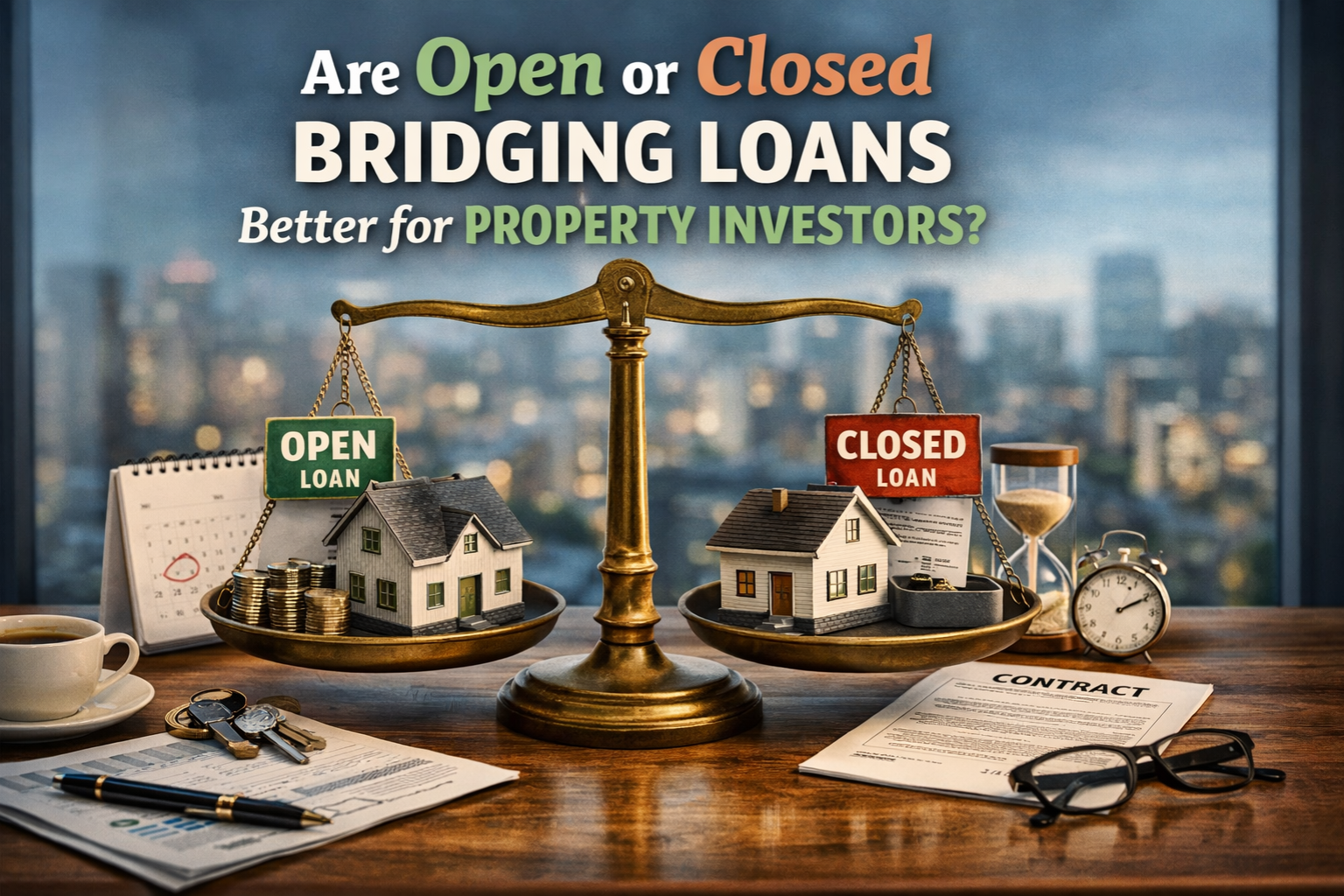
Open Bridging Finance vs Closed: Where Do You Stand?
Not all bridging loans are structured the same—and this directly affects your rate.
Open Bridging Finance
- No fixed repayment date
- More flexibility
- Slightly higher rates
Closed Bridging Loans
- Fixed repayment timeline
- Lower risk for lender
- Better pricing
Here’s the key insight:
If your exit is uncertain, open bridging finance gives breathing room—but expect to pay a bit more for that flexibility.
So Why Is Your Rate Higher Than Someone Else’s?
This is where things get personal.
Lenders don’t just price loans—they price risk.
Here’s what they’re really analysing:
- Loan-to-Value (LTV): Higher borrowing = higher risk
- Property Type: Standard homes vs complex assets
- Exit Strategy: The clearer it is, the better your rate
- Speed Requirement: Urgent = premium pricing
- Deal Complexity: Refurb, auction, chain break, etc.
For example, borrowers with a strong exit via a residential property development loan often secure more competitive terms.
Are You Missing Out by Not Using a Commercial Mortgage Agent?
Here’s something many borrowers don’t realise…
Going directly to a lender doesn’t always get you the best deal.
A skilled commercial mortgage agent can:
- Access multiple lenders
- Structure your deal strategically
- Negotiate better terms
In fact, many of the best rates in the market are not publicly advertised.
How to Actually Reduce Your Bridging Finance Rate
Now let’s flip the script.
Instead of asking “Why is it expensive?”
Ask: “How do I make it cheaper?”
Practical ways to reduce your cost:
- Lower your LTV: More equity = lower risk
- Strengthen your exit plan: Be specific and realistic
- Avoid last-minute pressure: Urgency costs money
- Use specialists: Especially for bridging loan for property deals
- Compare full costs: Not just the headline rate
This is where smart borrowers separate themselves from the rest.
So… Are You Overpaying?
Let’s bring it all together.
You might be overpaying if:
- You focused only on interest rates
- You didn’t compare lenders
- You overlooked hidden fees
- You rushed into a deal
You’re likely not overpaying if:
- The deal secures a profitable opportunity
- You’ve calculated the full cost
- Your exit strategy is solid
It’s Not About the Cheapest Rate—It’s About the Smartest Deal
Here’s the truth most people miss:
The cheapest rate doesn’t always mean the best deal.
And the fastest deal isn’t always the most expensive.
Understanding bridging finance rates UK is about seeing the full picture—not just the headline number.
Whether you’re considering:
- urgent bridging finance
- open bridging finance
- or using bridging finance to buy property
The goal is simple:
Make a decision that works financially—not just quickly.
Also Read – Are Open or Closed Bridging Loans Better for Property Investors?
Ready to Find Out If You’re Overpaying?
Before you commit to any deal, ask yourself one last question:
“Have I seen all my options?”
If not, now’s the time.
- Get a personalised quote
- Compare real UK lender rates
- Speak with an expert who understands your situation
Because when it comes to bridging finance…
A small difference in rate can mean thousands saved—or lost.
FAQs
- What is the average bridging finance rates UK right now?
Average bridging finance rates UK range from 0.5% to 1.5% per month, depending on LTV, property type, and exit strategy.
- Is urgent bridging finance more expensive?
Yes, urgent bridging finance usually costs more due to faster processing and higher lender risk.
- What is open bridging finance?
Open bridging finance has no fixed repayment date, offering flexibility but typically higher interest rates.
- Can I use bridging finance to buy property?
Yes, bridging finance to buy property is widely used for auctions, chain breaks, and quick purchases.
- How can I get the lowest fast bridging finance rate?
To get a low fast bridging finance rate, keep LTV low, have a clear exit plan, and compare multiple lenders.
Discover the Latest Trends
Stay informed with our latest articles and resources.